The highlight for all winter sports enthusiasts

HOHSTOCK

TWO LEGENDS

If you want to experience something really special on the Belalp, the Hohstock ski lift and its legendary ski tunnel are recommended.

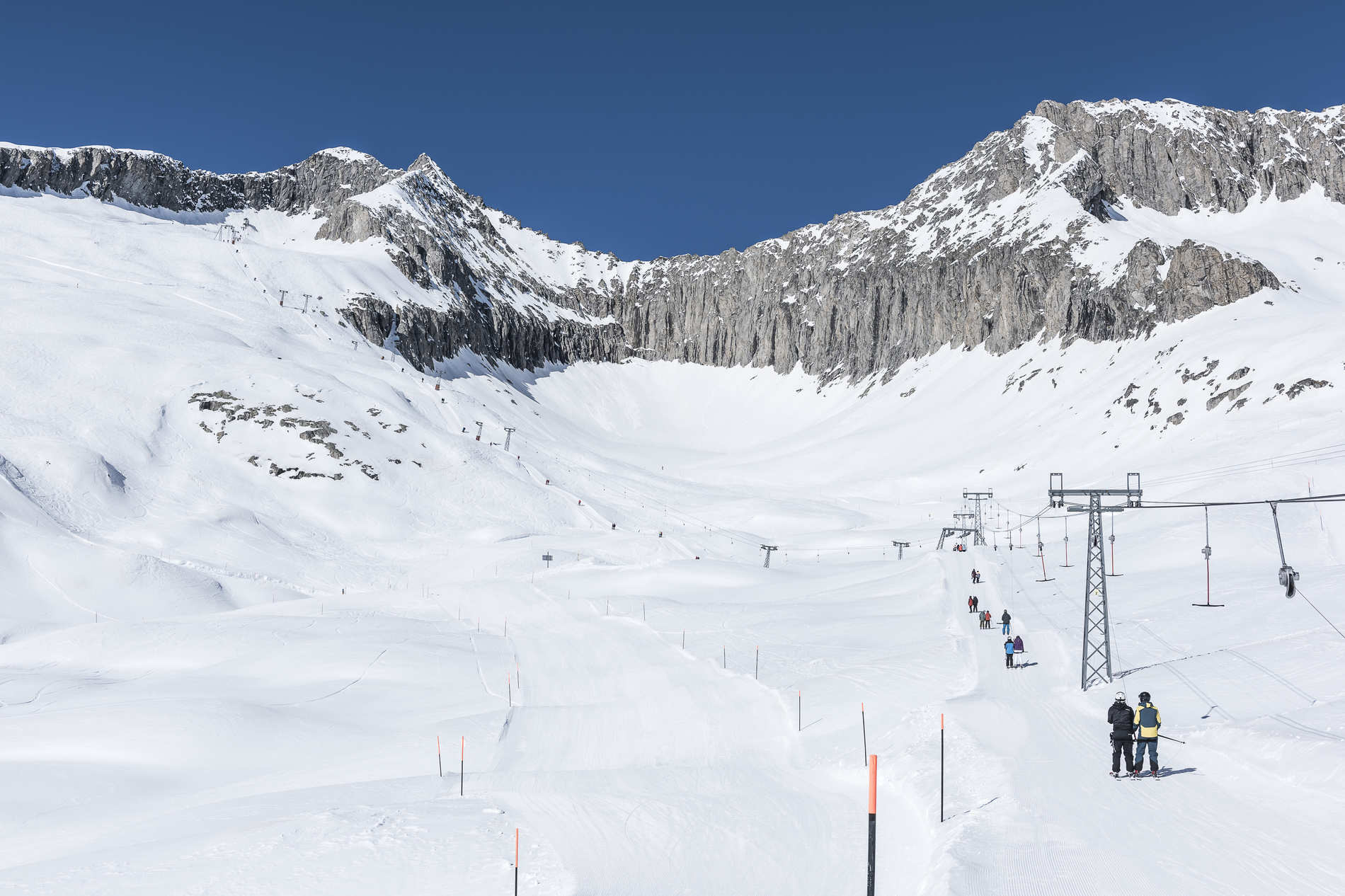
Opened in 1982, the Hohstock ski lift, which changes direction twice, is a highlight in itself - it is the last of its kind in Switzerland. Starting from Hohbiel at 2,654 m, the uniquely designed T-bar lift winds its way up a steep slope after a left turn and ends after another change of direction to the right at 3,113 m above sea level, just below the summit of the imposing three-thousand-metre Hohstock (3,226 m above sea level). The construction of the ski lift with its changes of direction and the way the rope is guided is considered a masterpiece by experts. But it is not only the experts who talk about the Hohstock lift with awe - skiers and snowboarders are also thrilled and at the same time always a little relieved when they have completed the ride.

The Hohstock is so remarkable that the largest British ski magazine InTheSnow has included it in the round of six ski lifts worldwide that you must not miss. This video feature from Seilbahn TV also highlights the special features of the Hohstock.
FACTS ABOUT THE HOHSTOCK LIFT

2654  m a.s.l.

Starting point

1518  m

Ski lift length

3113  m a.s.l.

Exit ski lift

7  min

Travel time

1982

Year of construction

180

Pulse rate on the steep slope and getting off the lift ;)

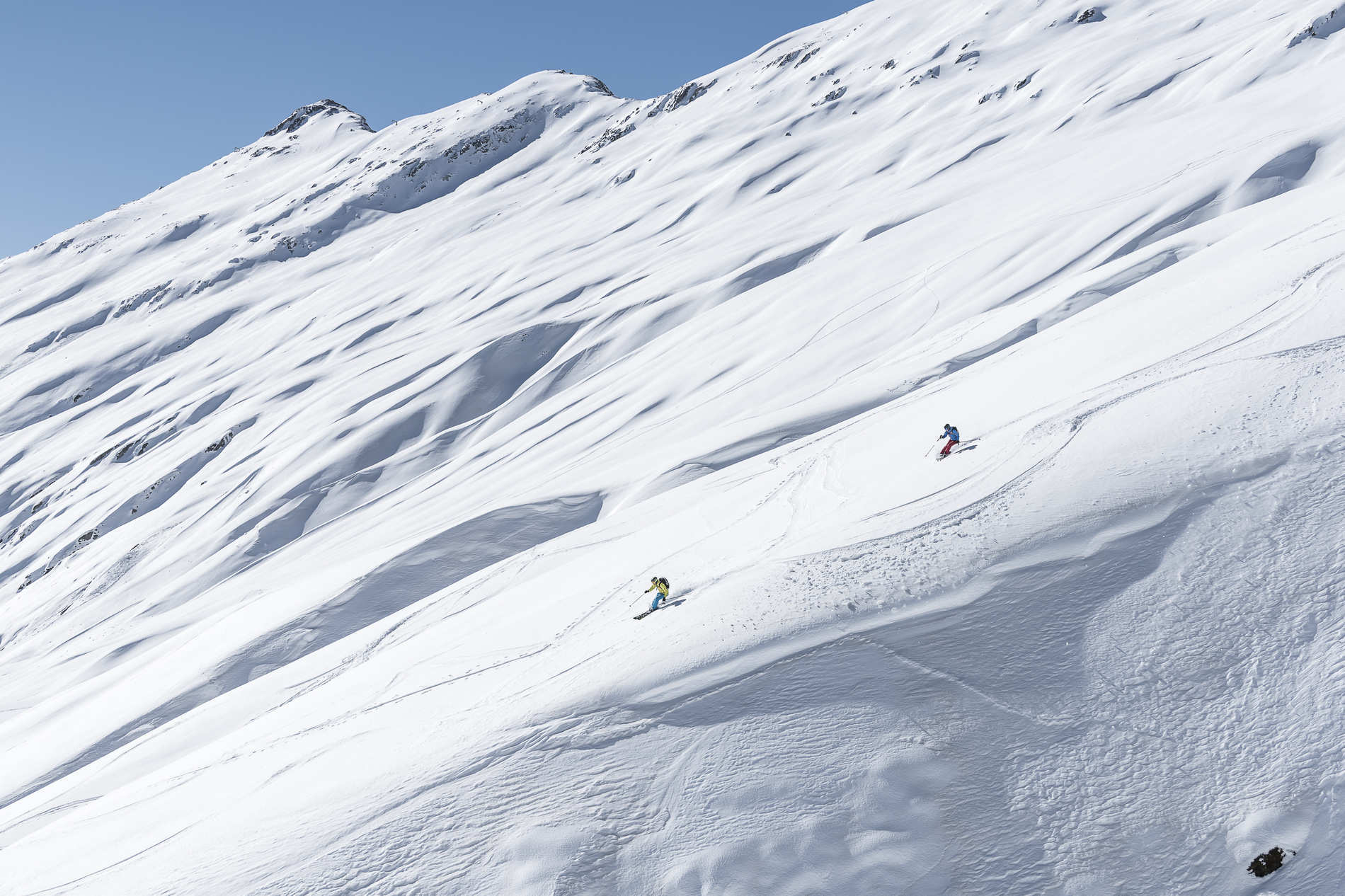
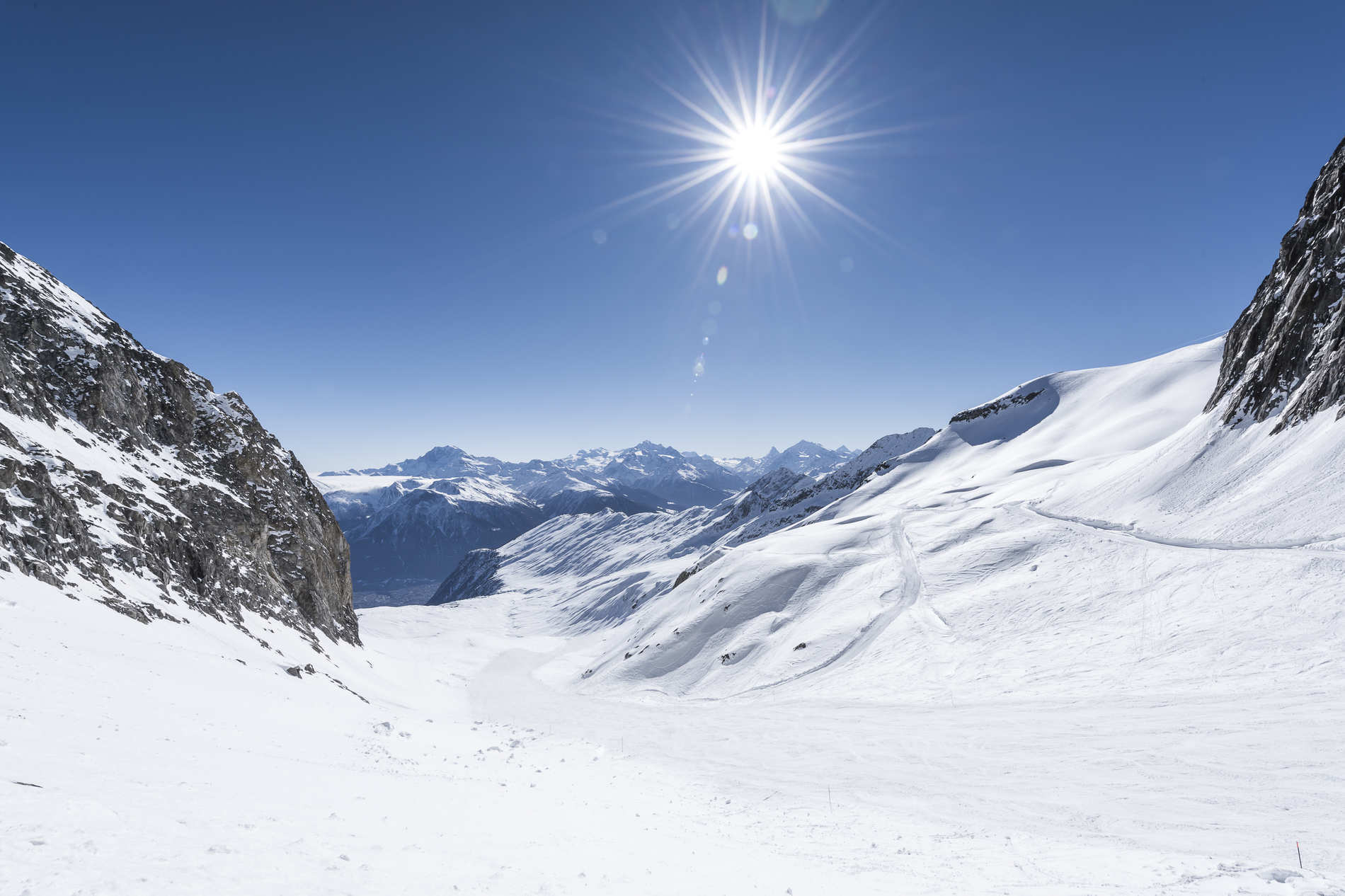
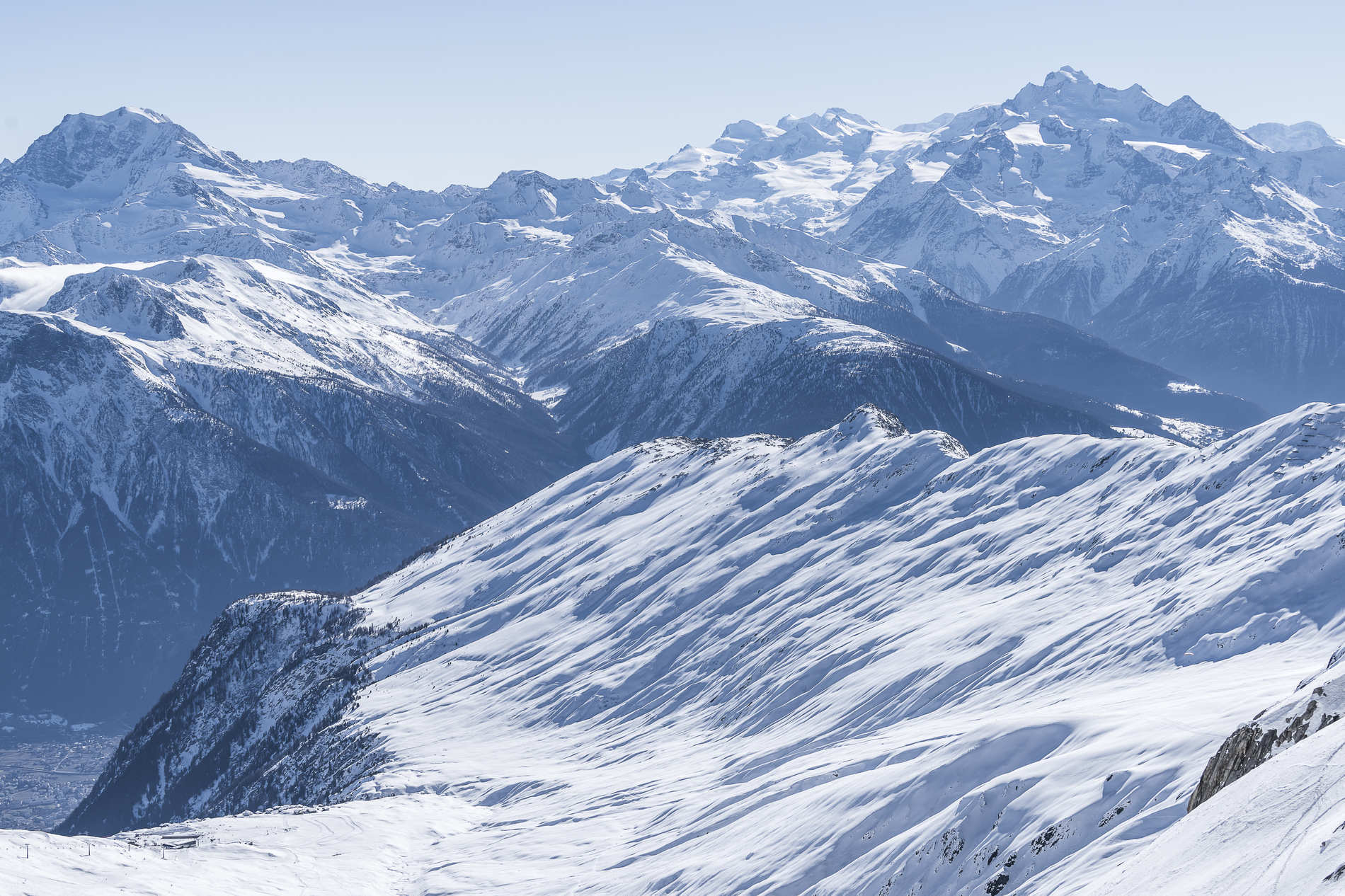
At the top at 3,113 m above sea level, you are first enchanted by the breathtaking mountain panorama. Then you are spoilt for choice as to which black piste you want to conquer:

Option 1: The 'Hülsen' piste, which is also the official route of the traditional Belalp Hexenabfahrt, leads over challenging terrain chambers either down to the starting point at Hohbiel (2.2 km) or via the 'Häx unten' piste to Bruchegg, the starting point of the 6-seater chairlift 'Sparrhorn' (total 4.6 km).

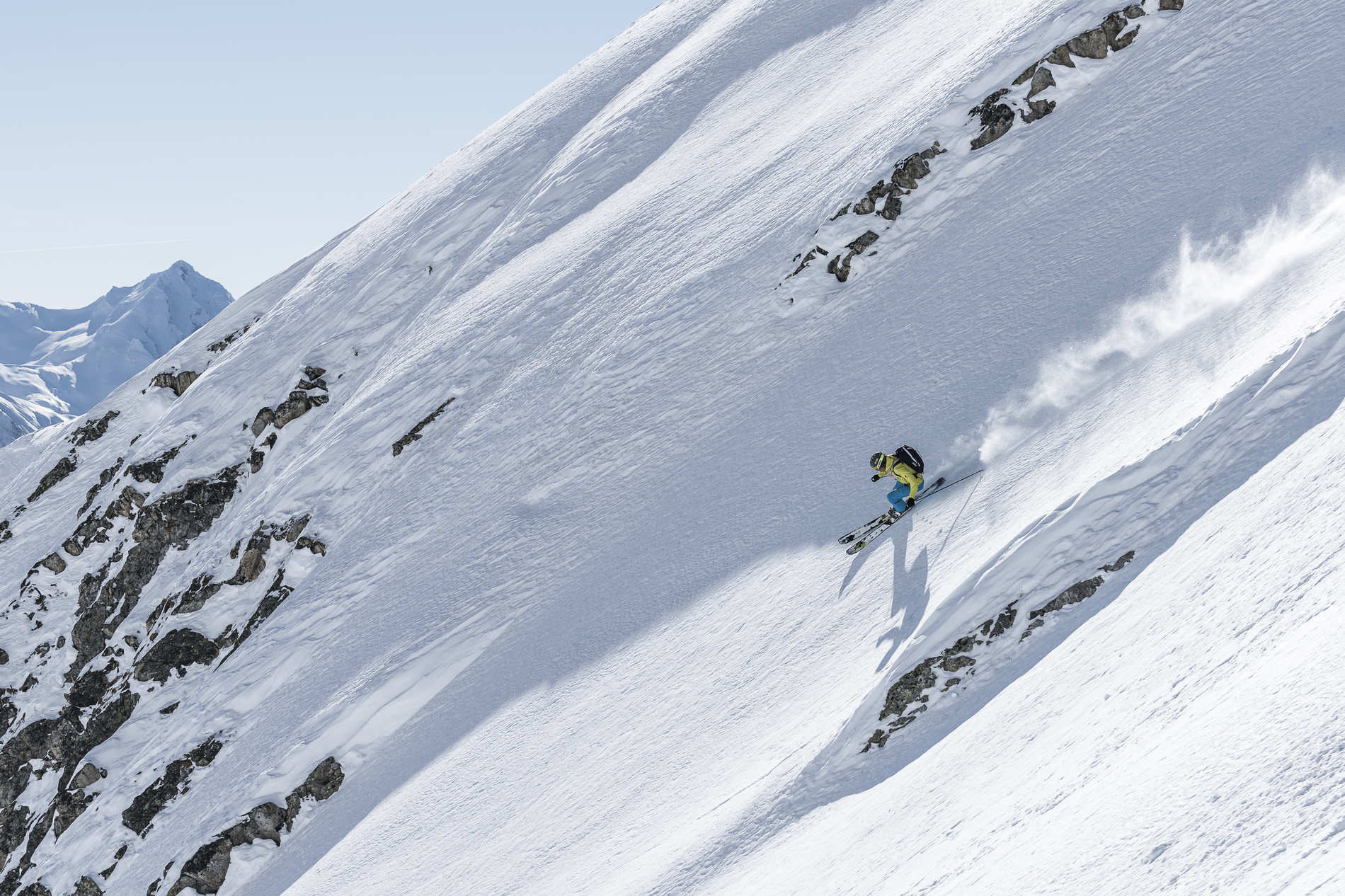
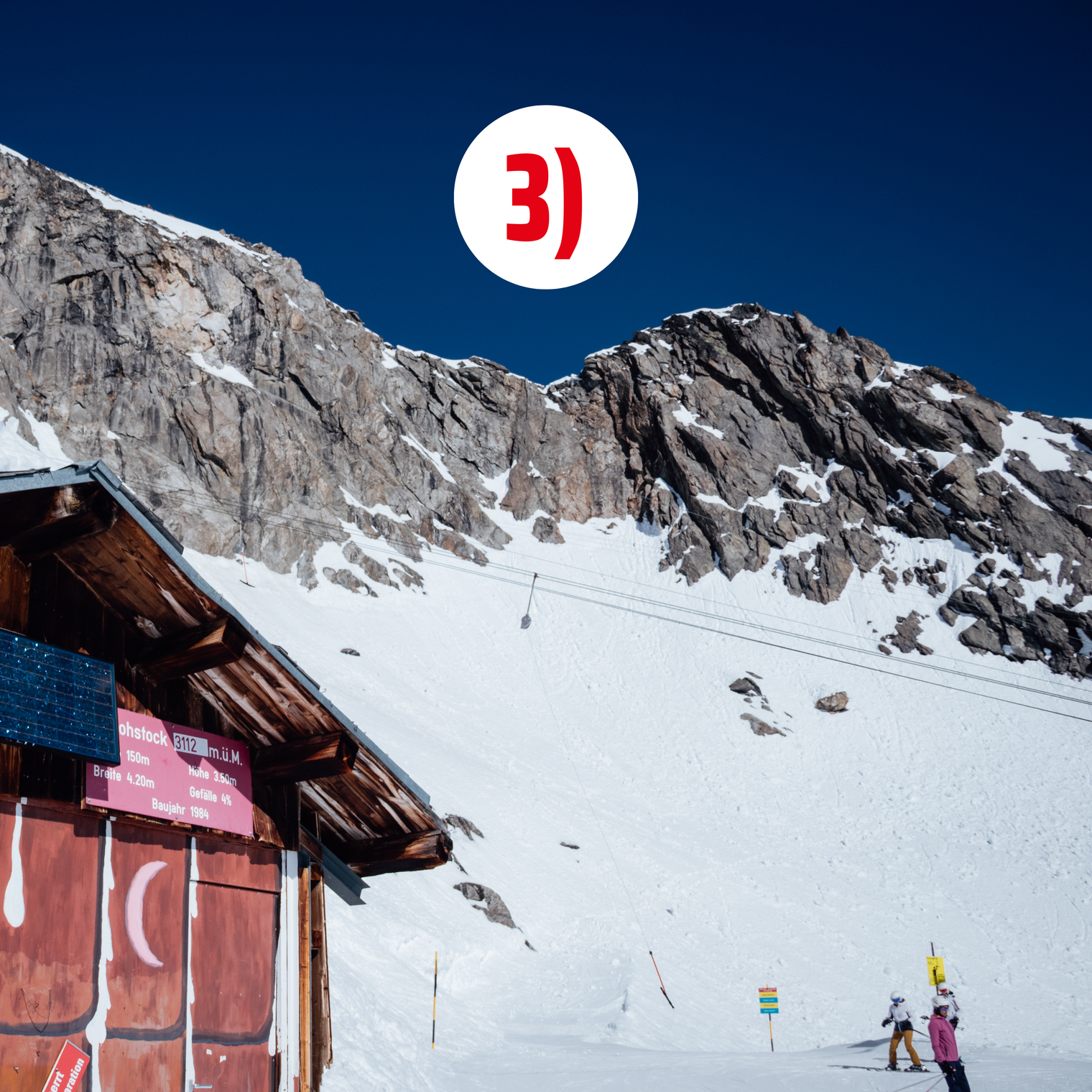
Option 2: he Hohstock ski tunnel, built in 1984 and unique in Switzerland with a length of 150 m, leads through the mountain massif and brings skiers, freeriders and snowboarders to the legendary piste 'Tunnel Westseite' or to an incomparable freeride area. The pictures and videos speak for themselves.

FACTS ABOUT THE HOHSTOCK SKI TUNNEL

3112  m a.s.l.

Access

150  m

Tunnel length

1984

Year of construction


Attention: Ski lift, ski tunnel and the associated slopes are only recommended for good skiers and snowboarders!

Blatten-Belalp. Naturally beautiful. Simply magical. #blattenbelalp #magicbelalp

WHY DOES IT TAKE SO LONG TO PREPARE THE HOHSTOCK?

Here are 7 reasons why!

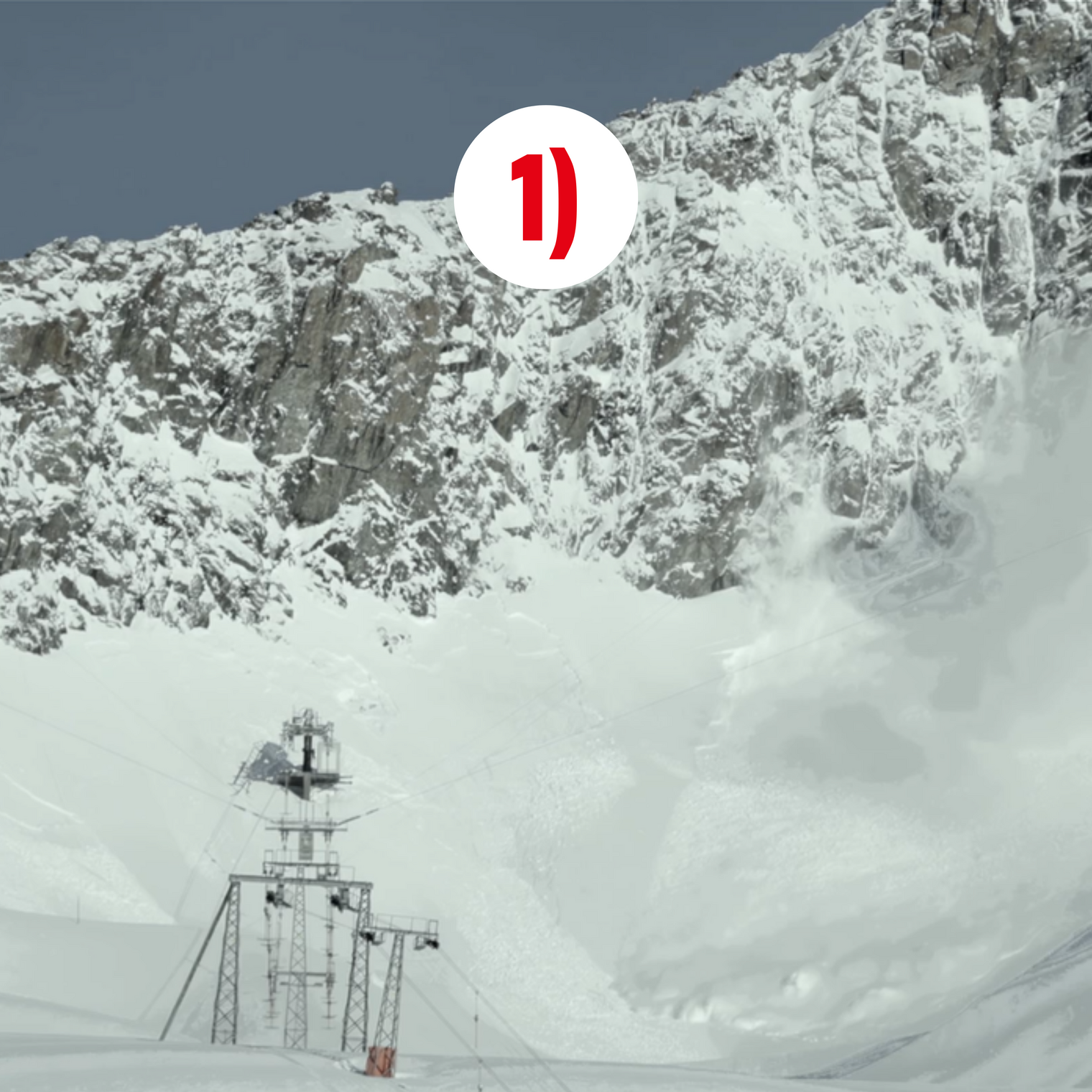
Avalanche blasting is ONLY carried out in advance in good weather conditions.

1) AVALANCHE BLASTING

Avalanche blasting is only carried out in advance when weather conditions are suitable and stable. The aim of these preventive measures is to trigger potentially dangerous snow masses in a controlled manner before they can pose a danger to winter sports enthusiasts, employees or infrastructure.

Specially trained experts continuously assess the snow and weather conditions. Factors such as the amount of fresh snow, wind, temperature development and snow layer structure are carefully analysed. Based on these assessments, targeted blasting is planned and implemented – either manually by the safety team or with the aid of technical equipment.

These proactive safety measures ensure that slopes, hiking trails and other areas are secured as effectively as possible and that safe operation is guaranteed.


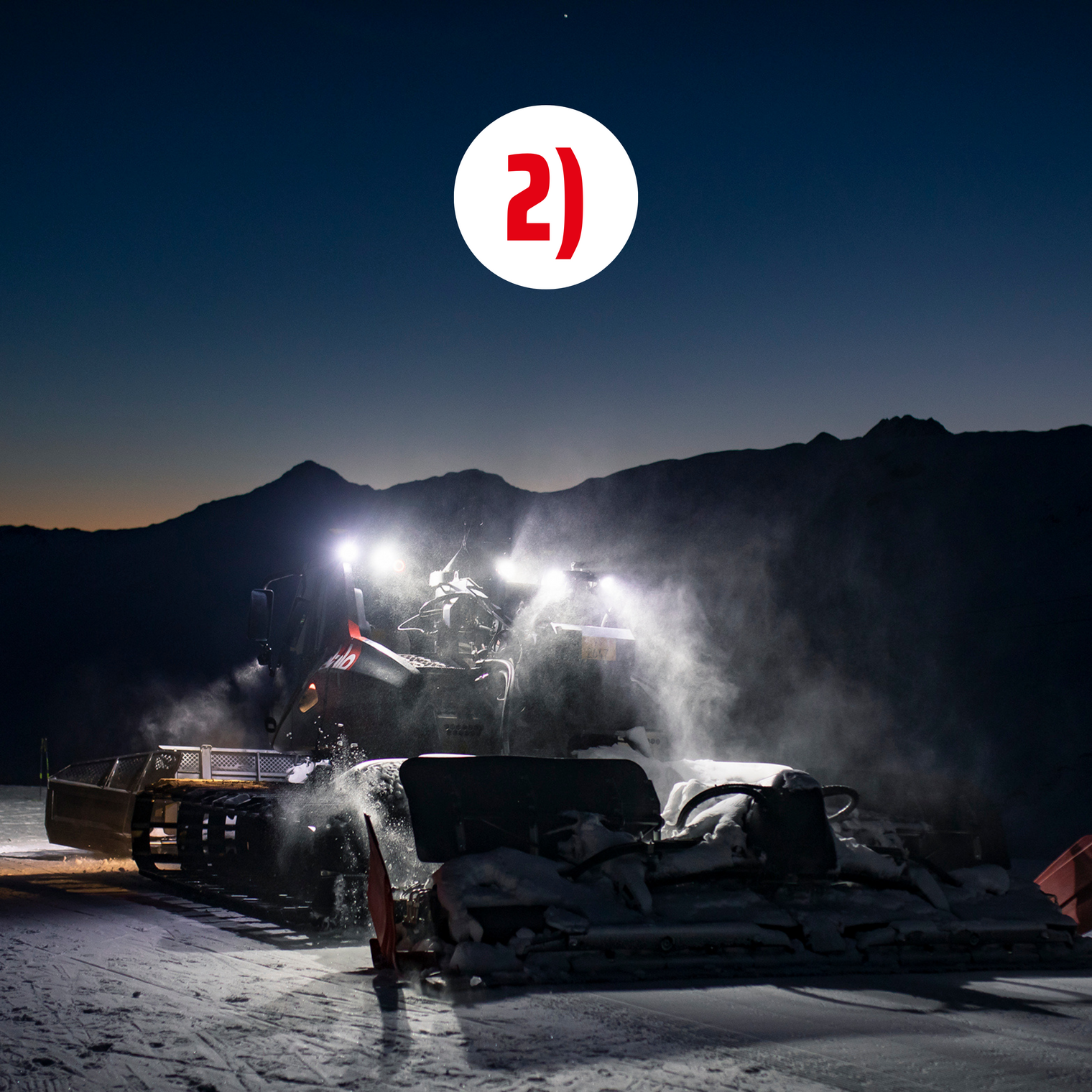
2) PREPARATION OF THE LIFT TRACK

The lift track can only be partially prepared by machine. Due to the steep terrain, technical installations and safety requirements, it is not possible to use snow groomers continuously in this area.

Preparation is therefore carried out in sections, with particular attention paid to local conditions. Where necessary, additional safety or finishing work is carried out by hand. Despite these limitations, great importance is attached to ensuring that the skiable areas are prepared as well as possible.

We thank you for your understanding that snow conditions may vary in individual sections.


The lift track can only be partially groomed with the machine.
The lift descent must be pushed in and snow must be fetched for this purpose.

3) LIFT DESCENT

The lift descent must be carefully groomed and, in some places, additionally covered with snow. Due to the terrain and changing snow conditions, the natural snow cover in this area is not always sufficient.

In order to ensure the safest and most accessible route possible, snow is brought in from suitable areas and carefully distributed. This work is carried out at great expense and takes into account the current weather and snow conditions.

Despite these measures, the condition of the lift descent may vary depending on the weather. We thank you for your understanding.


4) SECURING THE LIFT POLES

The poles along the slope are padded for safety reasons. These protective measures serve to significantly reduce the risk of injury in the event of a fall or deviation from the designated track.

Depending on the snow conditions and terrain, the padding is carefully installed and regularly checked. This ensures that the slope complies with the applicable safety standards and is as safe as possible.

We ask for your understanding that these measures require additional work and are part of the comprehensive safety precautions in the ski area.


The masts must be padded.
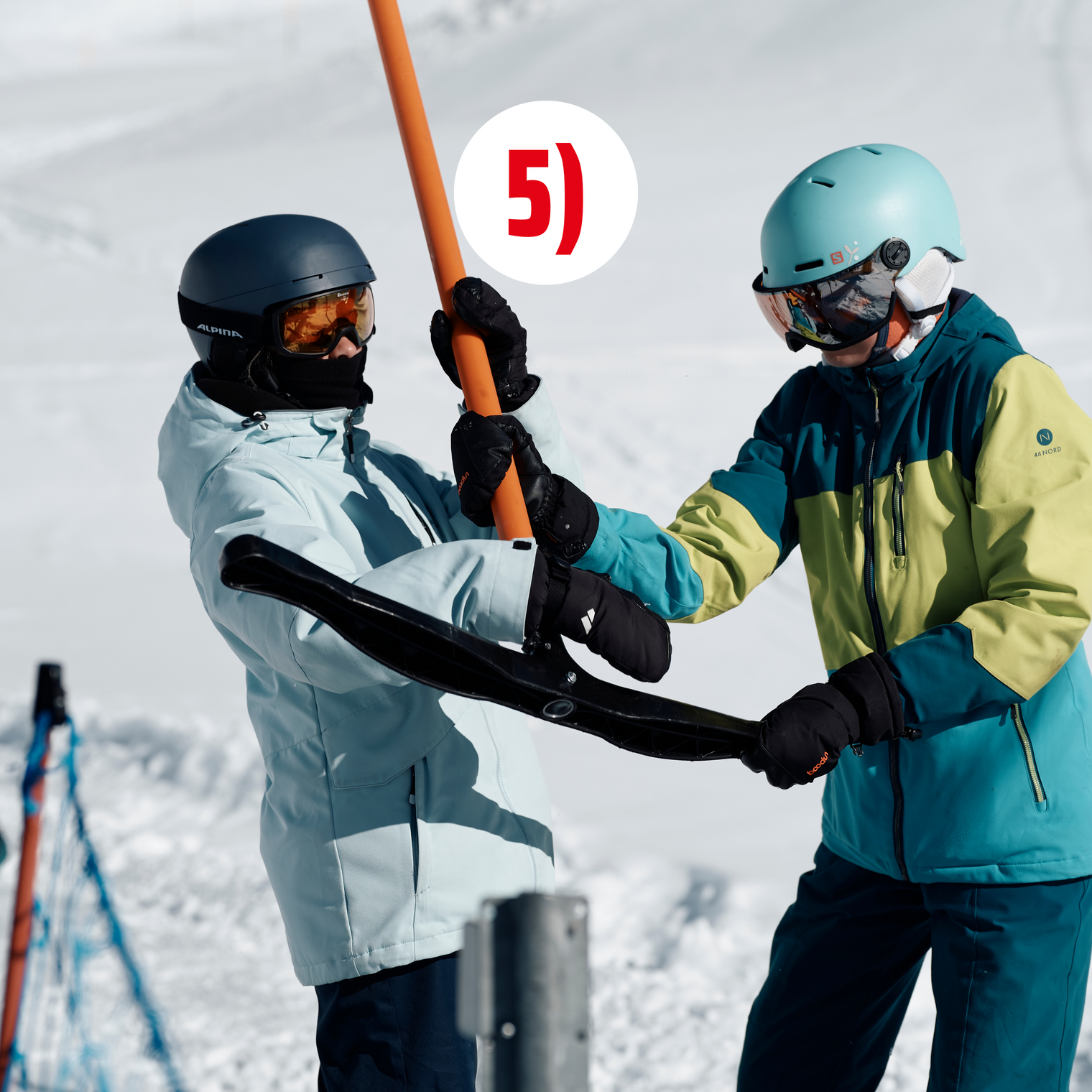
The tow lift loading area must be prepared.

5) PREPARING THE TOWING AREA

The towing area must be carefully prepared before use. Depending on snow conditions and weather, specific adjustments may be necessary to ensure a safe and smooth entry area.

The area is levelled, compacted and, if necessary, covered with additional snow. Particular attention is paid to ensuring an even surface and clearly defined boarding zones so that guests can board comfortably and safely.

The work is carried out taking into account the current conditions and is an important part of the operational safety measures.


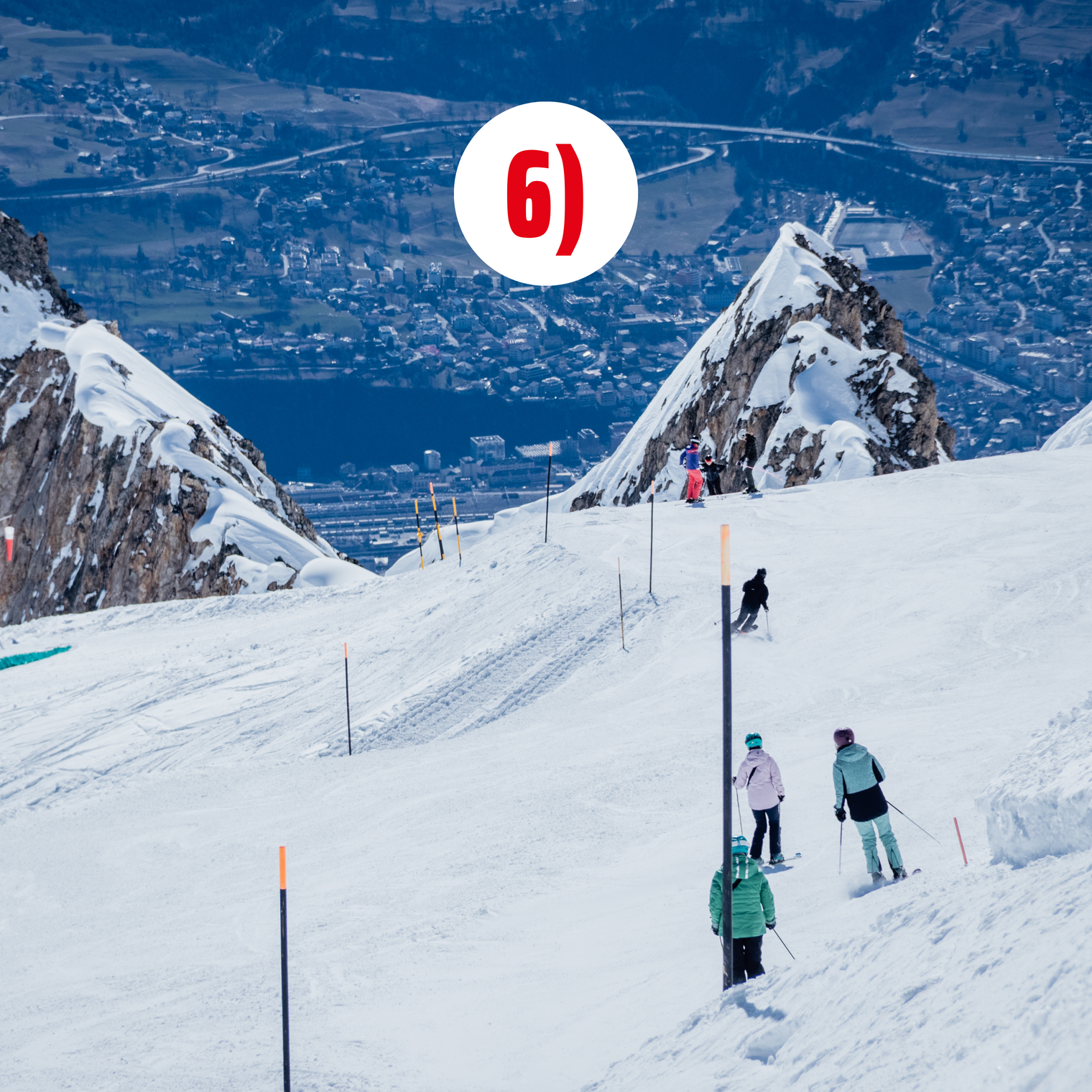
6) MARKING THE SLOPE

The route must be clearly and visibly marked with slope posts. These markings serve as orientation aids and contribute significantly to the safety of guests.

The piste posts are placed along the designated lines to clearly mark the course – especially in changing visibility conditions, snowfall or diffuse weather. Care is taken to ensure sufficient density and clearly recognisable placement.

Professional marking ensures that winter sports enthusiasts can reliably orientate themselves even in challenging conditions.


The slopes are marked with slope posts.
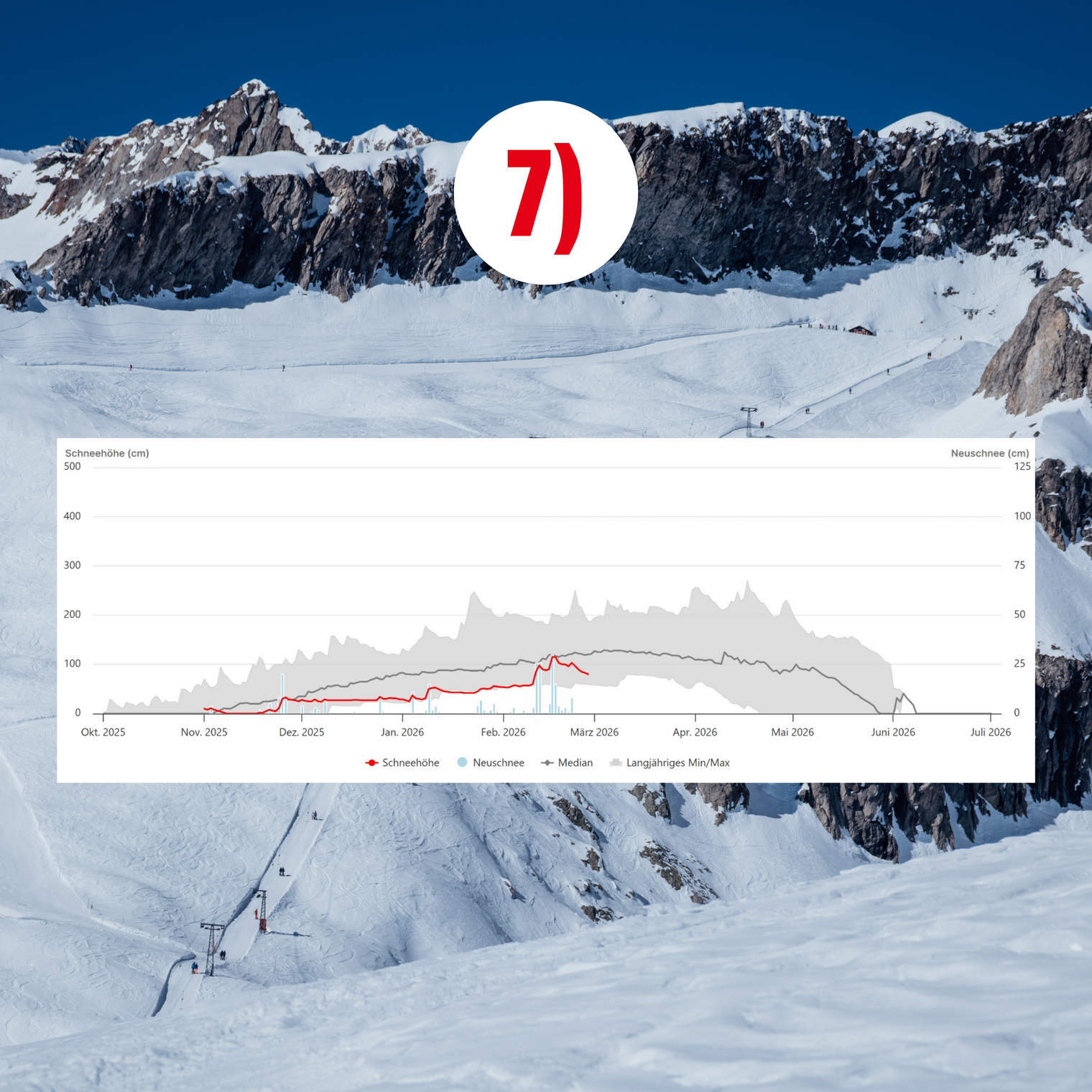
The snow depth is a prerequisite for possible grooming.

7) SNOW DEPTH AS A PREREQUISITE

Sufficient snow depth is essential for the route to be opened and groomed. Safe operation can only be guaranteed if the natural snow cover provides sufficient load-bearing capacity and coverage.

The snow conditions are continuously checked to ensure that they meet the requirements in terms of safety, ground cover and slope quality. If the snow depth is insufficient, additional measures are necessary or opening is not possible.

The decision is made taking into account the current weather and snow conditions.