Customs and traditions on Natischerberg

HIESIGS

HOME OF DRIED MEAT

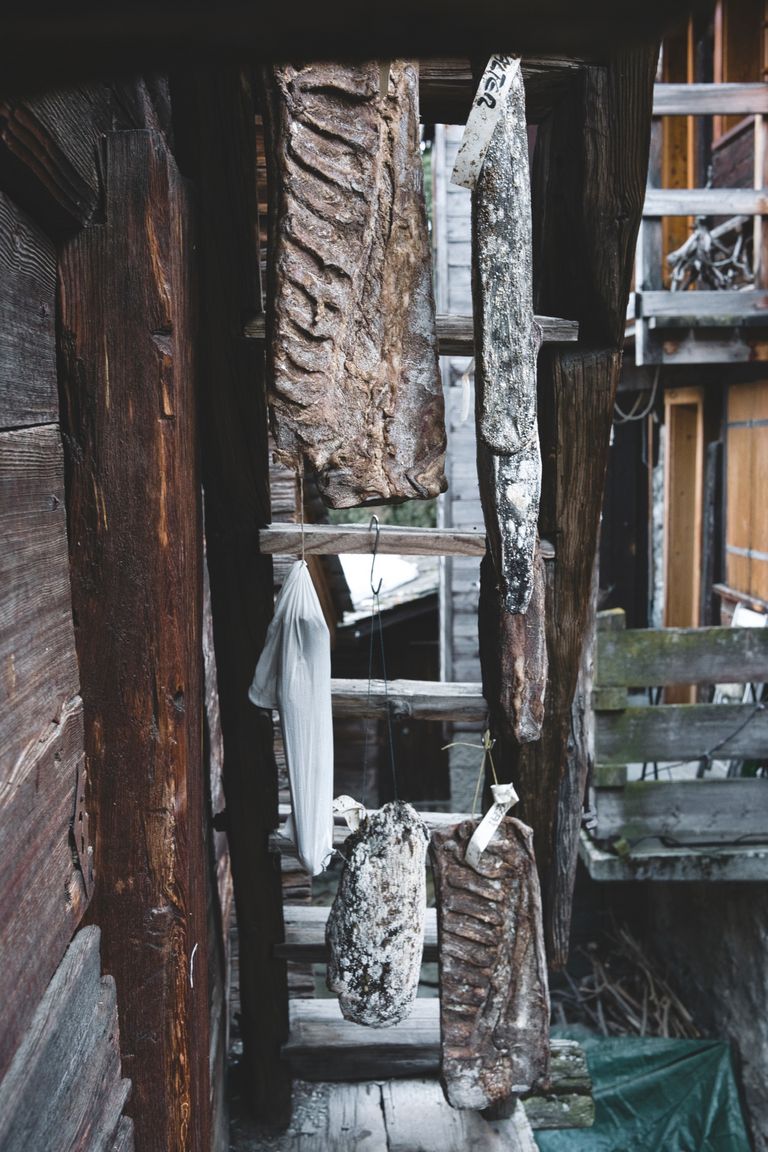
The production of dried meat is an integral part of tradition and everyday life in Natischerberg. For many generations, this special product has been carefully crafted by hand – supported by experience, patience and craftsmanship. The meat slowly matures in the clear mountain air and takes on the unmistakable flavour that is shaped by the alpine climate, time and the care of the people here.

What once arose from the necessity of preserving meat is now a true cultural asset. Production follows traditional family recipes and local specialities, where quality always takes precedence over quantity. Selected cuts of meat are salted with a carefully balanced mixture of salt and spices and then gently dried over weeks or months. Every step is carried out with respect – for the product and for nature.

Dried meat from Natischerberg is more than just a foodstuff – it is a living tradition and honest cuisine. Each piece tells a story of the conscious use of resources, of craftsmanship and knowledge that has been passed down through generations. A pleasure that consciously slows down, makes you feel proud of your own heritage and stands in contrast to the hurried, industrialised world of food – values that you can taste with every bite. schmeckt.

Blatten-Belalp - Naturally beautiful. Simply magical. #hiesigs #blattenbelalp #magicbelalp
HIESIGS – THE ORIGIN OF AUTHENTIC FLAVOUR

#hiesigs

All of the above aspects have prompted us to showcase the living traditions of Natischerberg under our own label of origin. Hiesigs brings together the people of the region with their products, which are created locally with passion and dedication. Each piece of dried meat thus becomes an authentic ambassador for our homeland – honest, down-to-earth and unadulterated. A treat that brings tradition to life and allows you to experience the connection to our culture in every bite.

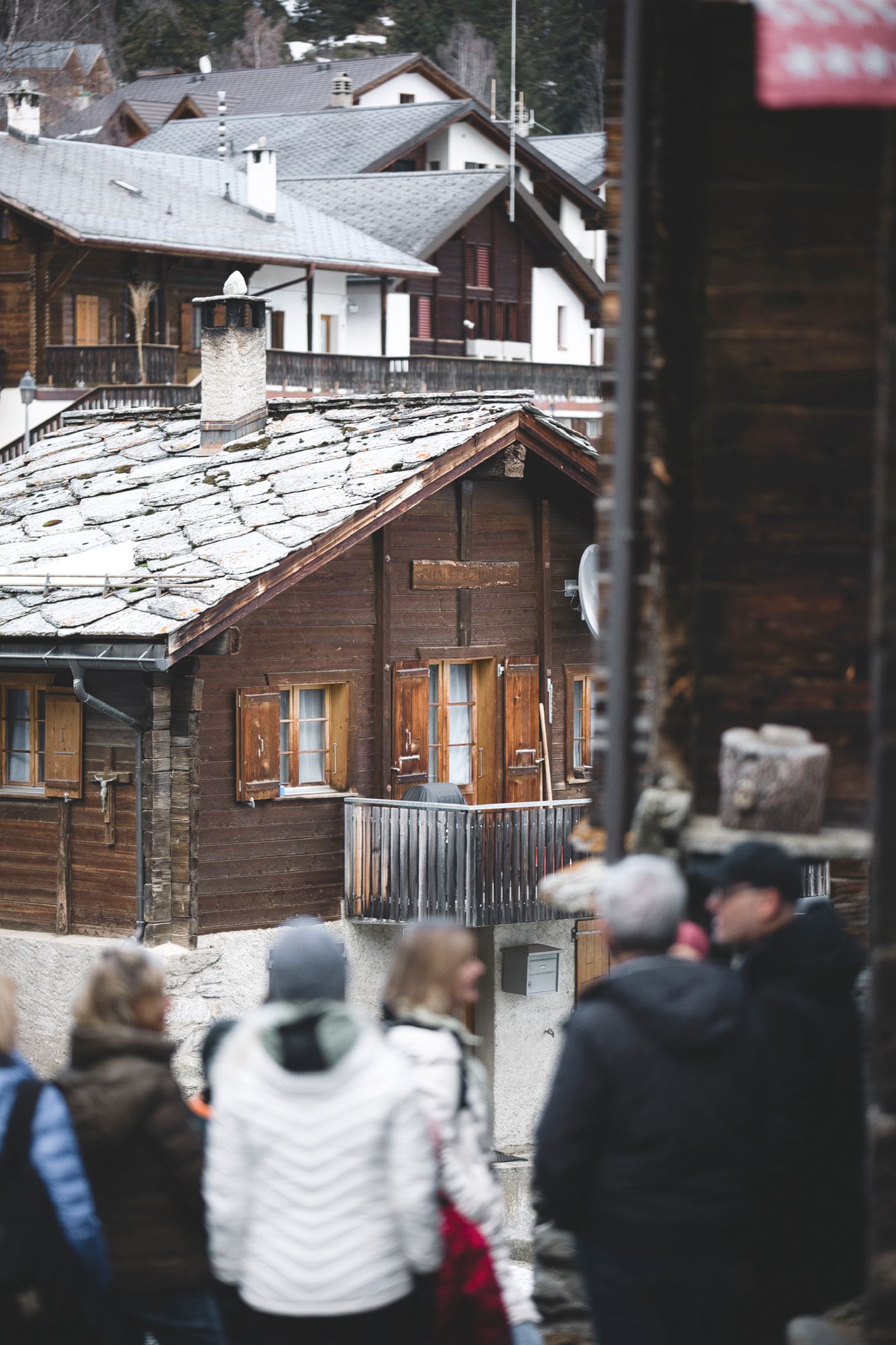
An initiative by Slow Food enthusiasts, Belalp Tourism and the municipality of Naters has set itself the task of preserving this valuable tradition for the future. Hiesigs – literally ‘from here’ – stands for regionality, craftsmanship and living tradition. We chose the old village centre of Blatten near Naters as our logo: the typical Valais barn, where meat is traditionally dried, as a sign of living culture. In the background rises the St. Theodul Chapel, which has shaped the village since 1480 – a symbol of stability, home and the stories that write our region.

TRADITION
CUSTOM
FROM THE REGION

DRY MEAT: STEP BY STEP

1) MEAT
The first step is to carefully select the meat. High-quality cuts that have been professionally trimmed by the butcher are preferred. This ensures that the meat can mature evenly and dry gently. In principle, any type of meat is suitable for making dried meat. For classic Valais dried meat, beef corner cuts are usually used. Fatty cuts of pork – such as neck (coppa), belly (schpäck) or ham (hamma) – are also ideal.

2) SALTING
The next step is to carefully salt the meat. The salt draws water out of the meat, preserving it and seasoning it at the same time, while preventing unwanted bacteria from growing. Spices are often added to give the dried meat its typical flavour. Each spice mixture is a family secret passed down from generation to generation – a little treasure trove of tradition and experience.

3) HANGING
The meat is then hung up. Ideally, this should be done in cool, well-ventilated rooms. The fresh air circulates evenly around each piece at high humidity. This ensures that the moisture can slowly escape from the meat and dry evenly.

4) AIR DRYING
This is followed by drying – the longest and most important step. Over several weeks, the meat loses water, becomes firmer and develops its intense aroma. Temperature, humidity, microorganisms in the environment and, above all, time are key factors in determining quality, taste and shelf life. During this process, the meat can lose up to 50% of its original weight.

5) ENJOY
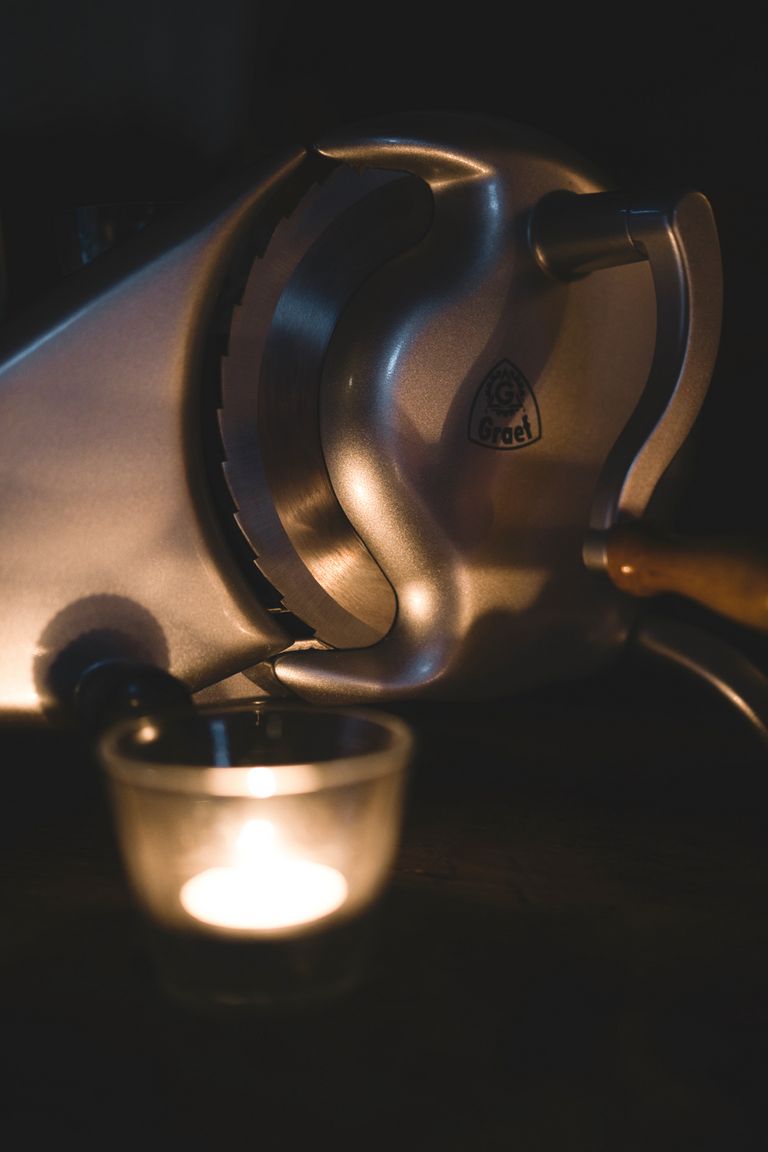
Experience, intuition and personal preference determine when the dried meat is ‘harvested’. The finished product is aromatic, has a long shelf life and is best enjoyed in wafer-thin slices. The careful, traditional production process results in meat with an incomparable taste – a delicacy that reflects craftsmanship, patience and a love for the region.

5) ENJOY

1) MEAT

3) ATTACH

2) SALTING

4) AIR DRYING

THE SPYCHER

Where meat matures into art

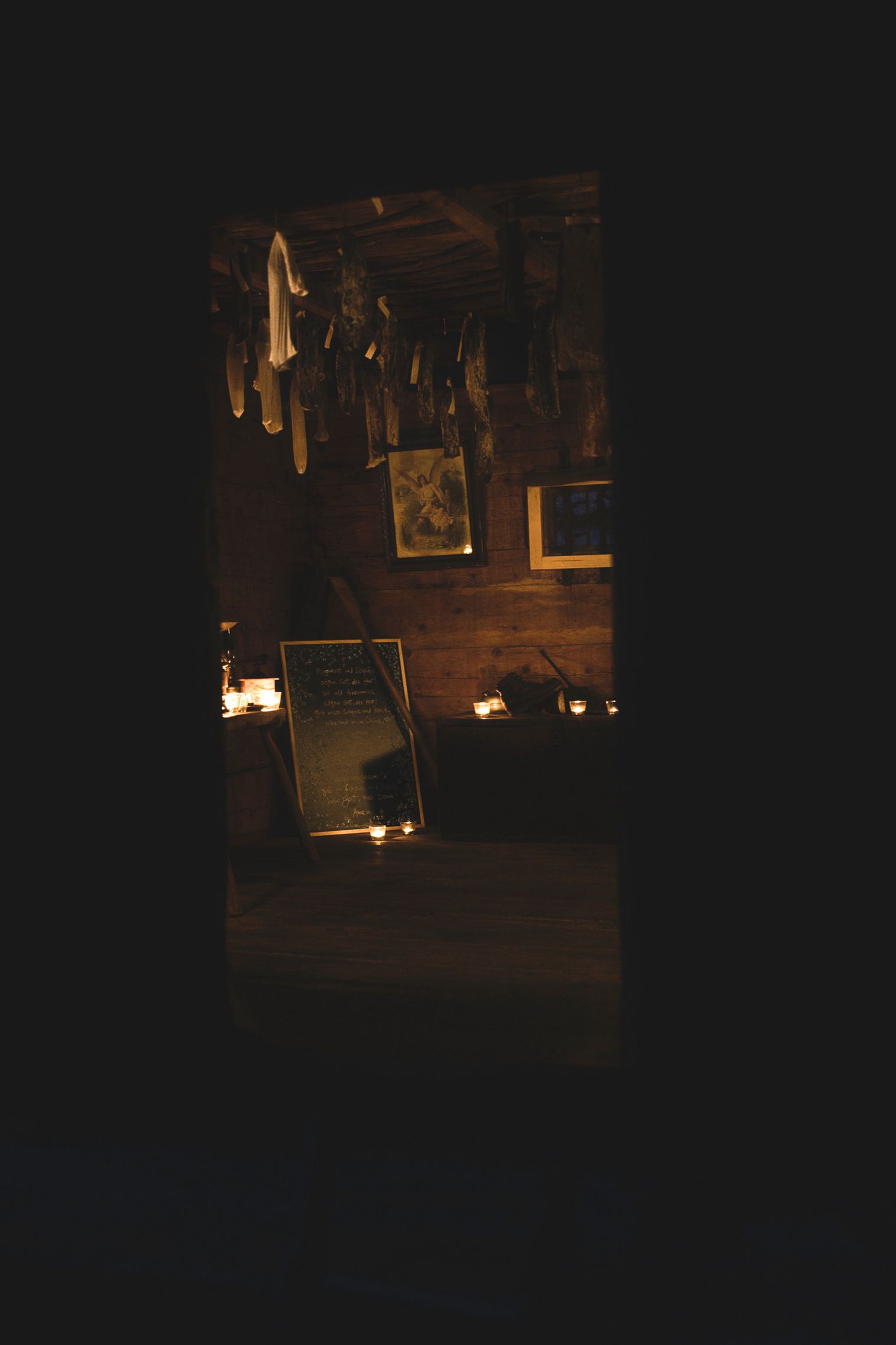
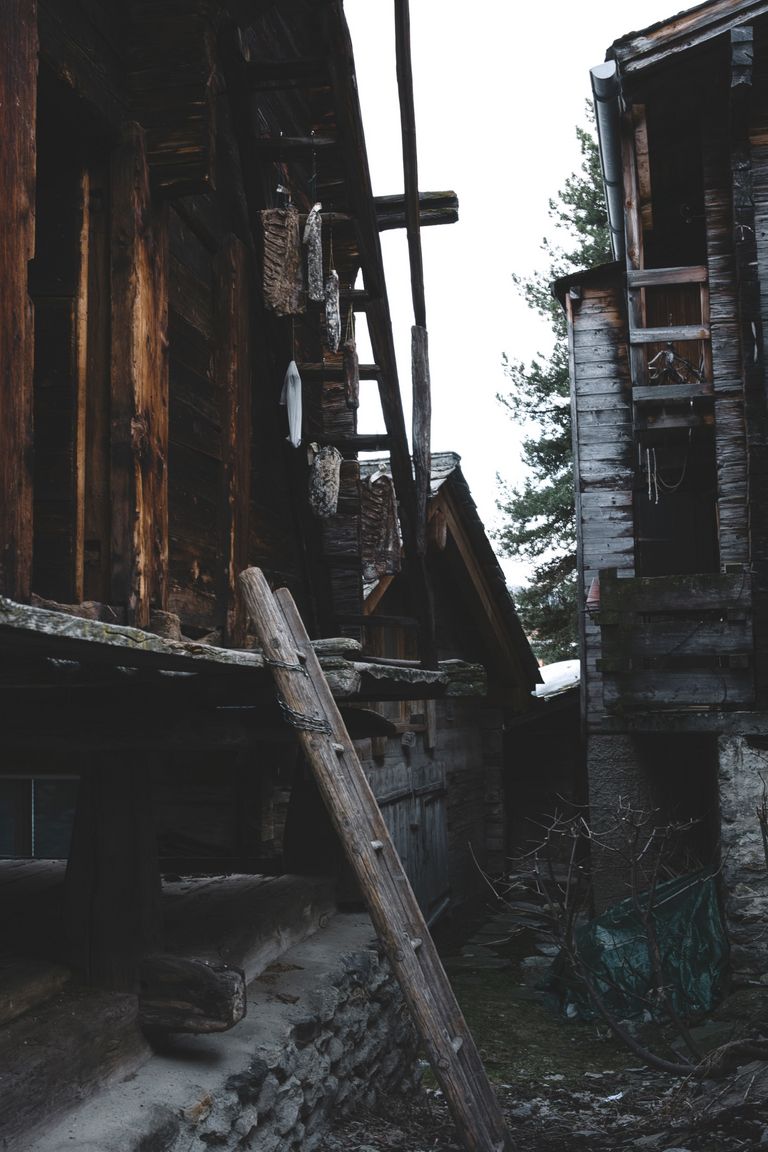
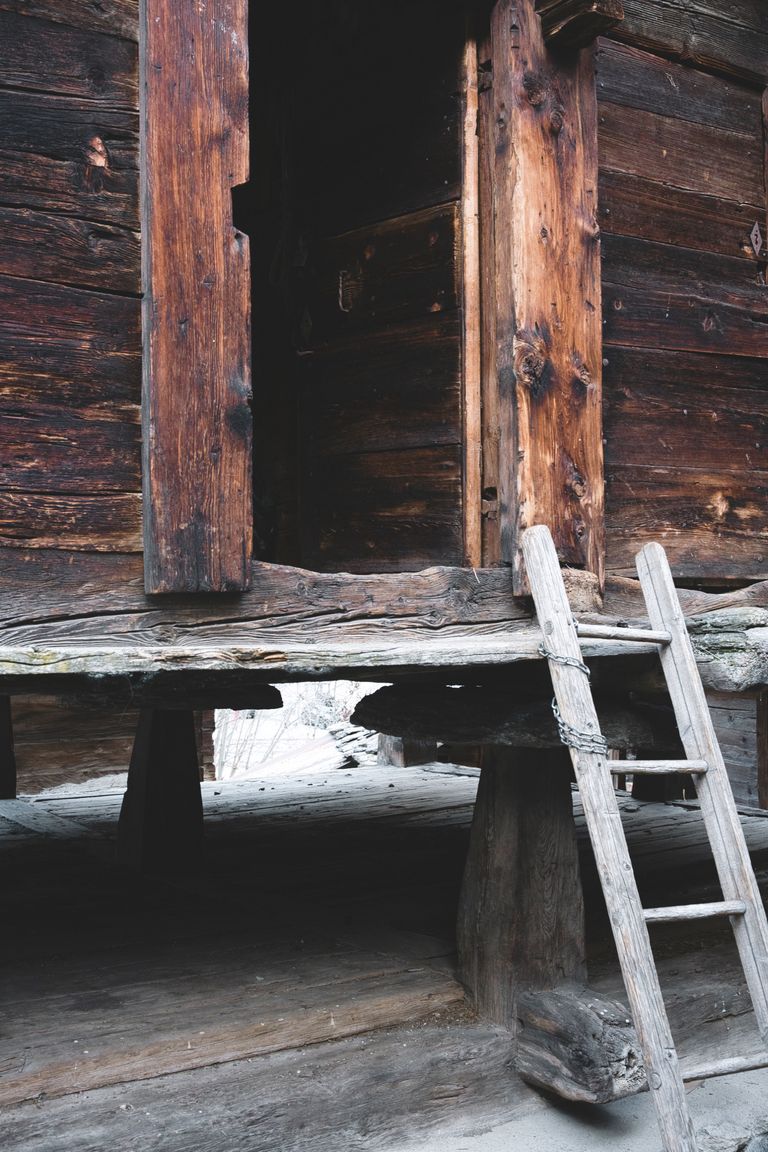
The old granaries, which have shaped the landscape of Natischerberg for centuries, are much more than simple warehouses. They are stone and wooden witnesses to a self-sufficient way of life and used to serve as the most important storage rooms for the population. Their construction is particularly well thought out for the refinement of dried meat: standing on characteristic stilts with round stone slabs, they are not only protected from rodents, but also make ideal use of natural air circulation.

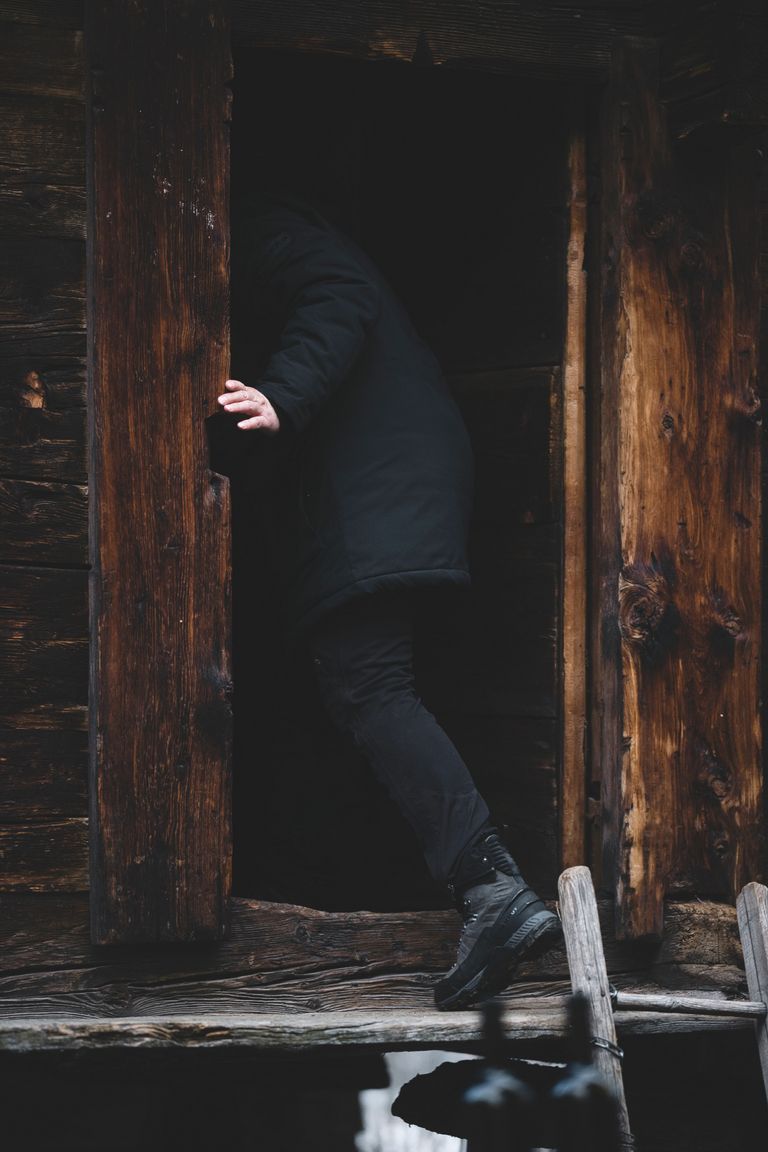
The steady mountain wind blows through the fine cracks and air vents in the sun-baked larch wood, gently caressing the hanging pieces of meat. In the cool Alpine air, the meat matures slowly, acquiring its characteristic consistency and developing a deep, intense aroma. Inside, a unique microclimate develops, characterised by the microorganisms in the centuries-old wood. Anyone who enters such a barn today can feel and smell history: old wood, the taste of meat, fine spices – and the silent promise of the highest quality that only patience, time and the forces of nature can produce.

SPYCHER GUIDED TOURS

Be there in person

  • Traditionelles Handwerk: Einblick in die ursprüngliche Herstellung

  • Authentischer Ort: Führung im historischen Spycher im alten Dorf Blatten

  • Kultur & Geschichte: Lebensnotwendigkeit und Brauchtum am Natischerberg

  • Echte Handarbeit: Slow Food statt industrieller Massenware

  • Kulinarik: Degustation von Trockenfleisch, Roggenchips und Walliser Wein

  • Expertenwissen: Geführter Rundgang mit spannenden Hintergrundinfos

Interested?

TO THE NEXT SPYCHER TOUR